Ahmedabad: Tooth analysis reveals shift in Harappan food practices | Ahmedabad News
- Aaj Patrika
- August 23, 2026
- Blog
- 0 Comments
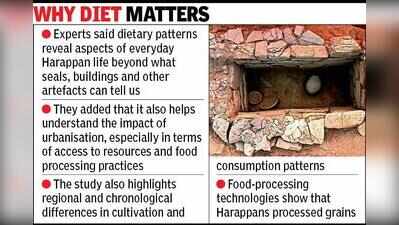
Ahmedabad: The growth of Harappan cities may have influenced not only where people lived and worked but also what they ate and how their food was prepared, according to a new study by an international team of researchers.The study analysed 22 human teeth recovered from archaeological sites at Juna Khatiya village in Gujarat’s Kutch district (12 samples) and Rakhigarhi in Haryana (10 samples). Researchers examined microscopic wear patterns on the teeth to reconstruct dietary habits and assess differences in food consumption between the two populations.The findings suggest that people living at Juna Khatiya between 3200 BCE and 2600 BCE consumed harder and less processed foods than those living at Rakhigarhi during the Mature Harappan period between 2500 BCE and 1900 BCE. Researchers say the results point to the possible impact of urbanisation on food preparation and consumption.According to the study, teeth from Juna Khatiya displayed greater complexity and variation in microscopic wear patterns, indicating a diet that included tougher or less processed foods. In contrast, teeth from Rakhigarhi showed lower complexity, a pattern associated with softer and more heavily processed food.The findings are notable because both populations appear to have had access to broadly similar food resources. Archaeological evidence suggests Harappan communities cultivated cereals such as millets, wheat, barley and rice, along with pulses and other plant foods. They also consumed domesticated animals, game, and fish.Researchers suggest that increasing urbanisation, occupational specialisation and growing population centres may have encouraged more standardised systems of food production, processing and distribution, resulting in dietary changes. However, they caution that the theory remains tentative and requires further evidence from additional archaeological sites and larger sample sizes.